
How to Choose the Perfect Roman Shades
Published 05/14/2026
Roman shades are one of the most versatile window treatments for homeowners who want a softer, more tailored look. Whether you’re choosing Roman shades for a living room, bedroom, or dining room, the right option depends on style, fabric, light control, and operation. This guide explains how to choose the best Roman shades for your space and what features to consider before buying. 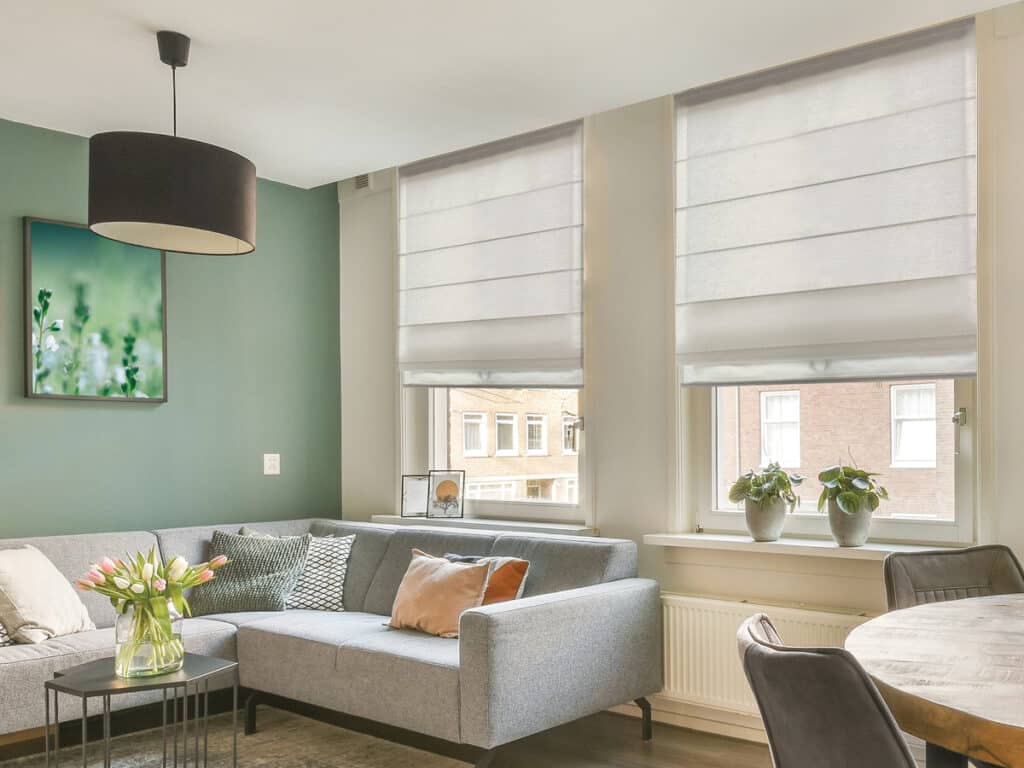
Start with the Roman Shade Style
Style is usually the first major decision because different fold types create a completely different visual effect. Some Roman shades look cleaner and more tailored, while others feel softer and more decorative. Your fold choice also affects how much structure the shade adds to the room and how “finished” the window looks when the shade is raised or lowered.
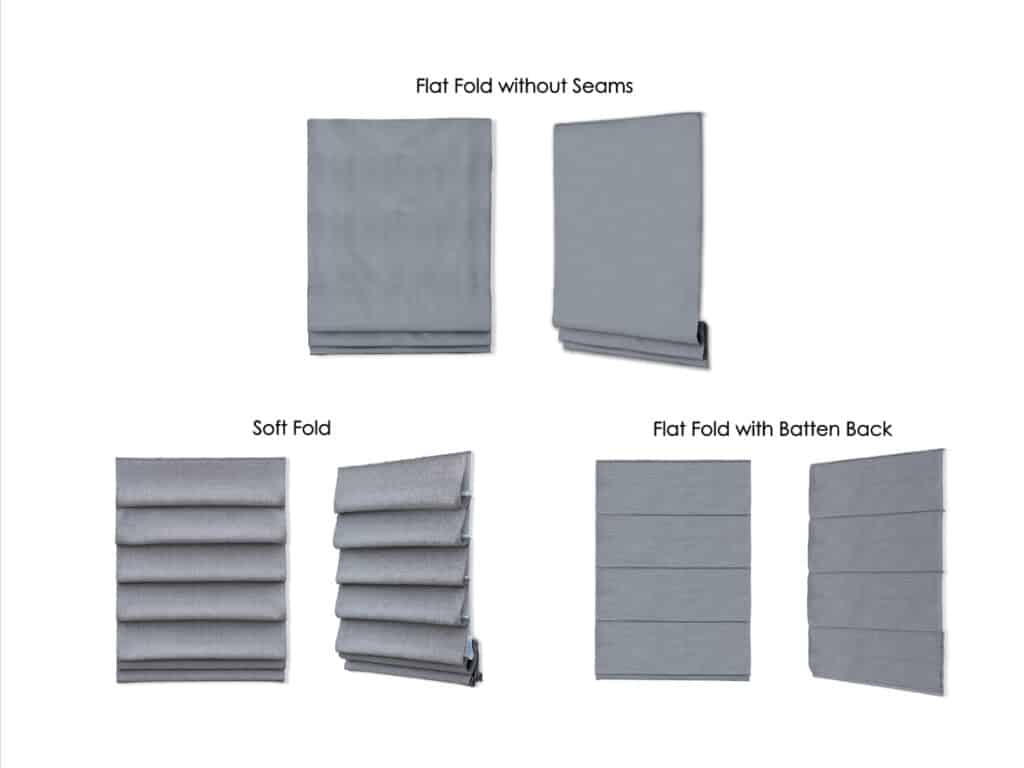 If you want a modern, streamlined look, a flat fold style tends to feel crisp and minimal. If you prefer a more traditional look, a soft fold offers a gentler silhouette with more softness and depth.
Norman’s Roman shade solution, Centerpiece™ Roman Shades, offers multiple fold options including Flat Fold without Seams, Flat Fold with Batten Back, and Soft Fold so you can choose a look that aligns with your space, whether that’s structured and modern or soft and decorative.
Choose the Right Fabric for the Room
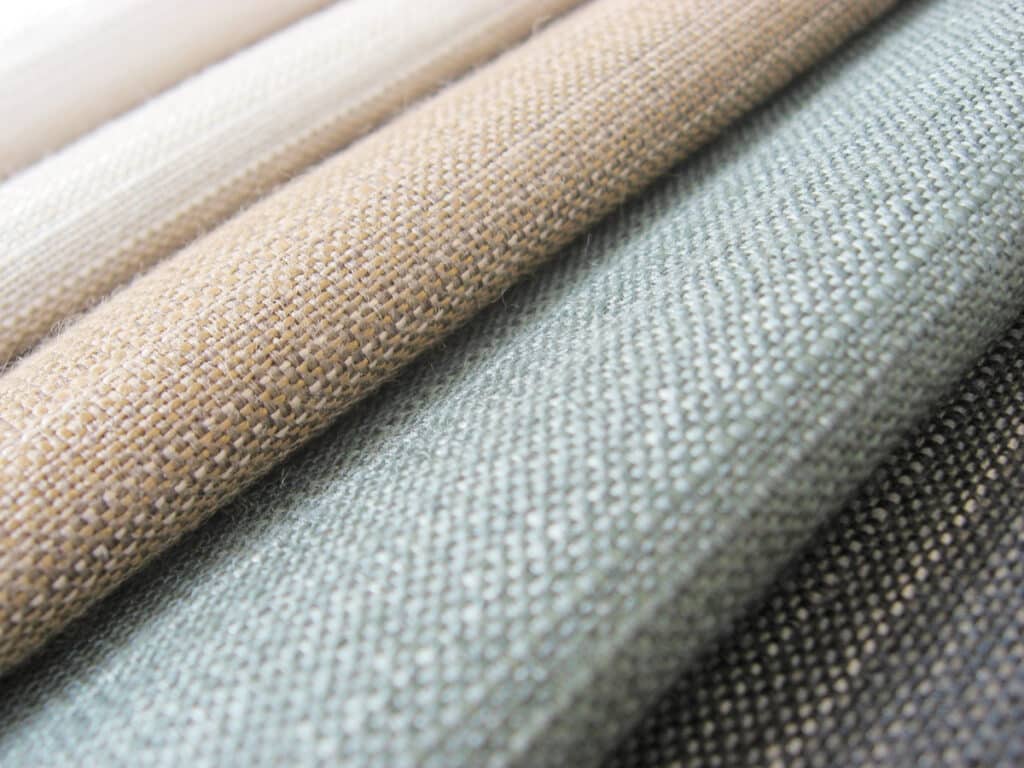 Fabric affects both the look and performance of Roman shades. Even when two shades share the same fold style, fabric selection can change the entire mood of the room.
Lighter fabrics often feel more airy and relaxed, especially in bright spaces. Textured and heavier fabrics can add warmth and depth helpful in rooms that feel flat or need a softer, more layered finish. Fabric choice can also influence whether the room reads as more formal or more casual, and it should support how you want the space to feel day to day.
It’s also worth thinking about how the fabric will “read” once the shade is lowered. Some materials look casual, while others appear richer and more formal. In a living room, texture can add softness and comfort.
Think About Light Control and Privacy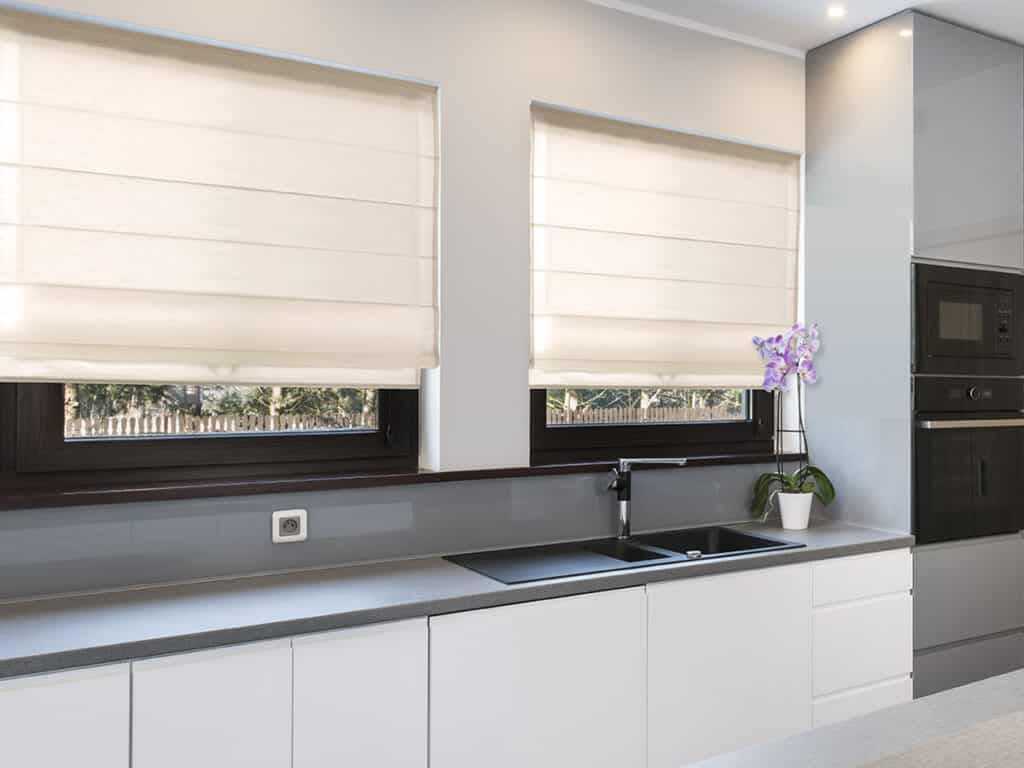
Lining plays a major role in how Roman shades function. It determines how much light comes through and how much privacy you get especially at night when interior lights are on.
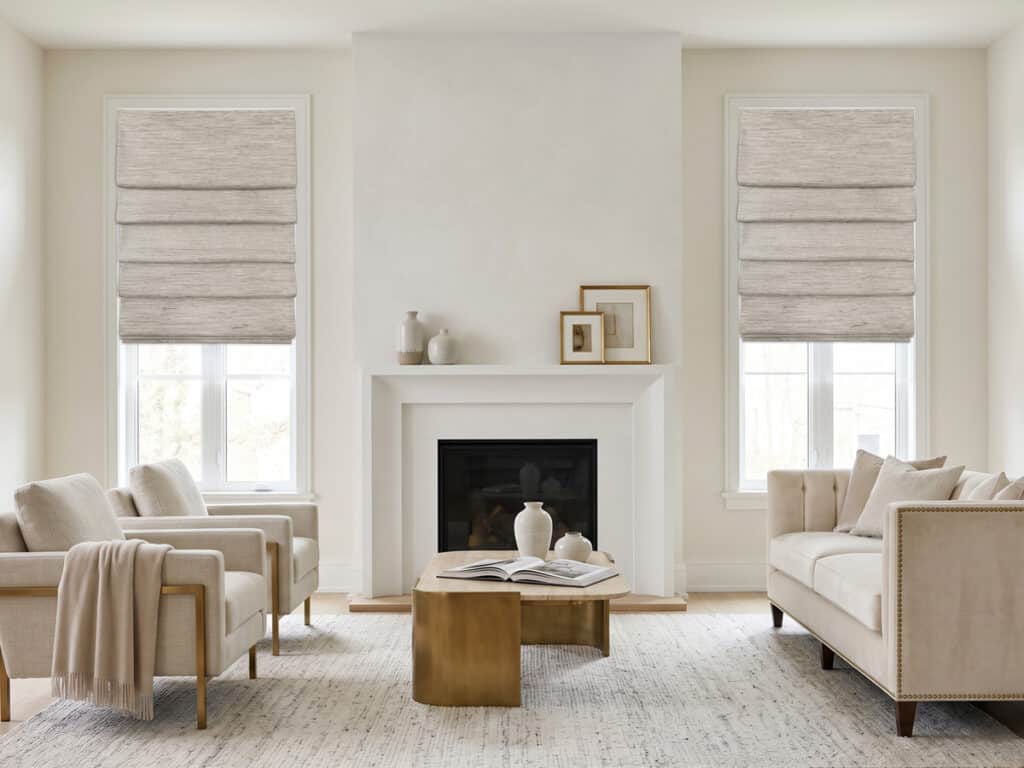 A translucent lining helps diffuse daylight gently, creating a softer glow while maintaining a level of privacy. A blackout lining supports stronger room-darkening performance and adds privacy, which is especially helpful in bedrooms or street-facing rooms. The best choice often depends on the room and the time of day the space is used.
With Centerpiece Roman Shades, you can choose Translucent lining to softly filter light or Blackout lining for added privacy and stronger room-darkening performance. The guide also notes that all shades must be lined, which helps create a more finished look and more consistent performance overall.
Match the Shade to the Room
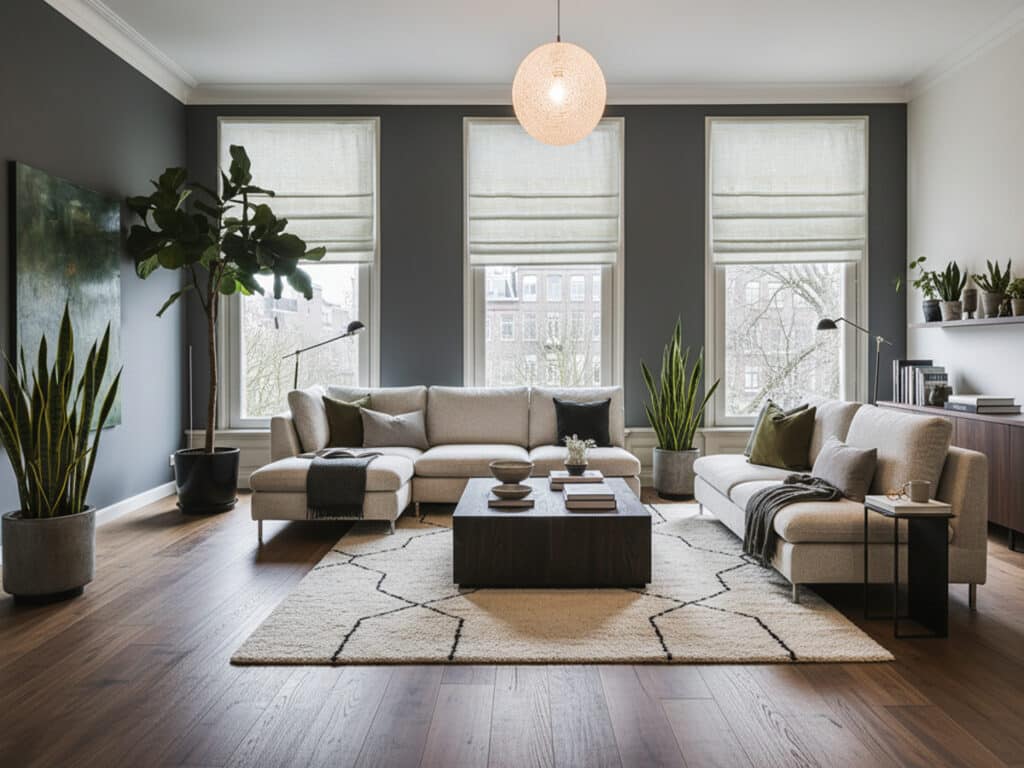 A Roman shade that looks perfect in one space might feel off in another. The ideal Roman shade often depends on where it will be installed and how the room is used.
Living rooms often benefit from softer light and a tailored look – something that feels elevated but still welcoming. Bedrooms may need stronger privacy and room darkening to support rest and nighttime comfort. Dining rooms often work well with more decorative fabric details, since the space is frequently styled with intention and doesn’t always require maximum light control during the day.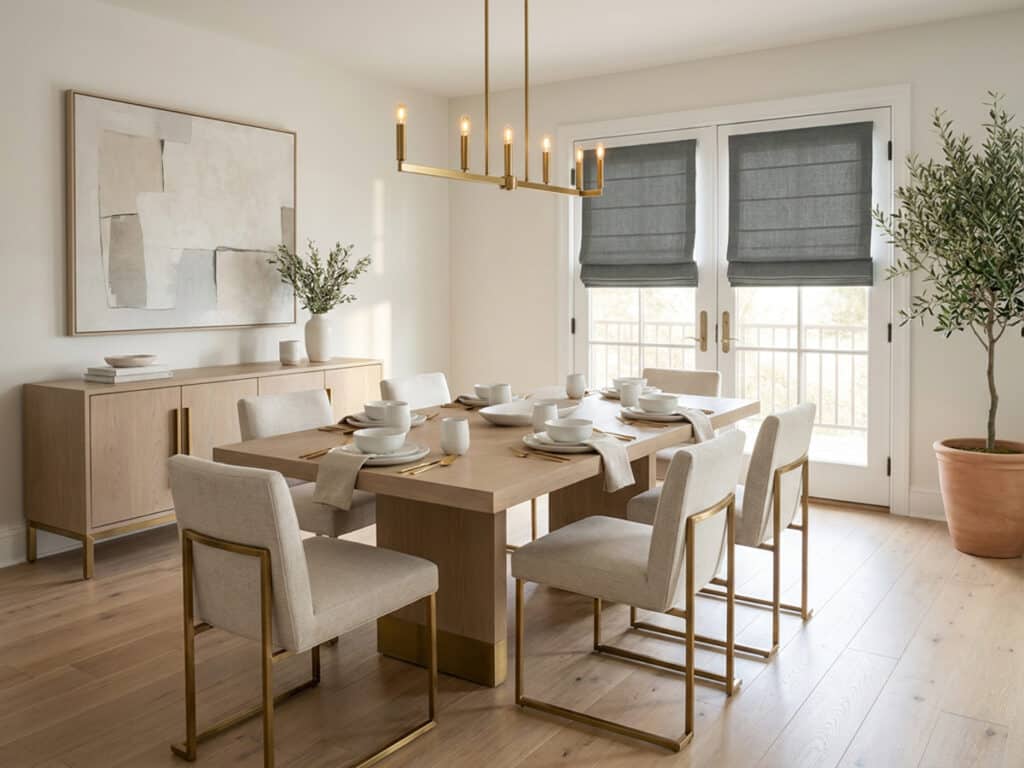
If you’re considering Roman shades for doors, you’ll also want to think about stability and daily use. Door applications may require extra consideration for how the shade will operate and how often it will be raised and lowered.
Don’t Overlook Operation and Everyday Use
For added convenience, motorized Roman shades can make daily operation easier, especially for large windows, hard-to-reach areas, or homes with smart home integration. Many homeowners also prefer motorization for its clean appearance since there are no visible cords.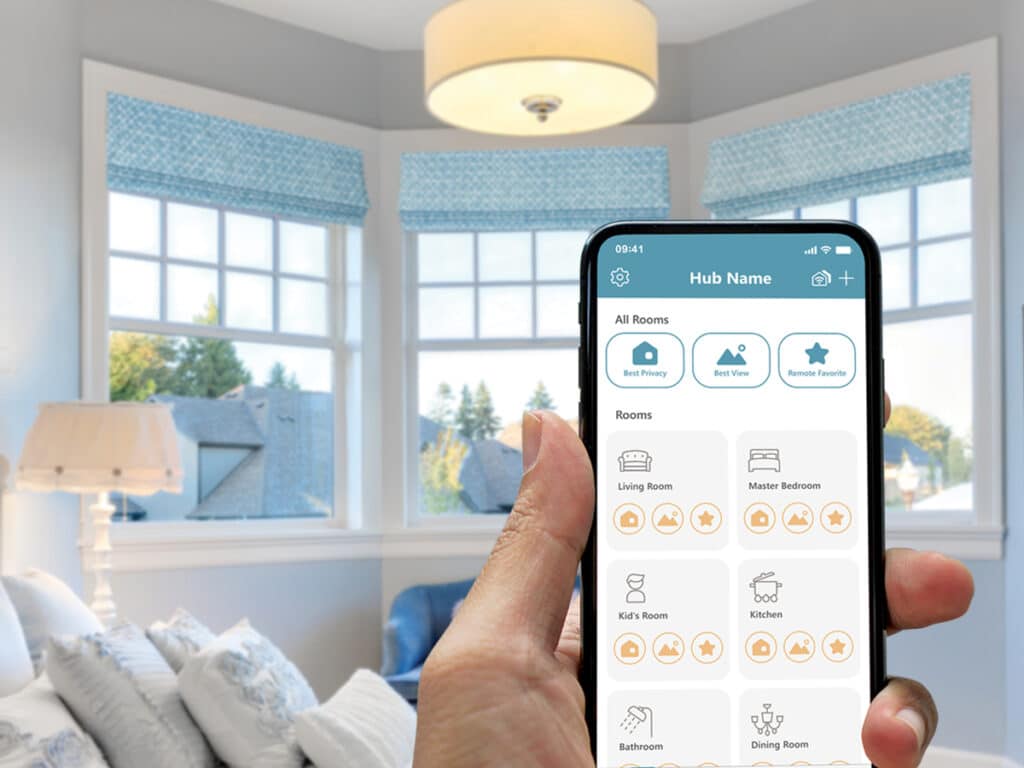
Centerpiece™ Roman Shades are available with Norman Smart Motorization and AutoWand™ motorization options. Norman Smart Motorization allows shades to be controlled through the ShadeAuto™ App, voice assistants, and scheduled automation, while AutoWand™ offers simple push-button operation directly on the shade for convenient everyday use.
Roman Shades vs Roller Shades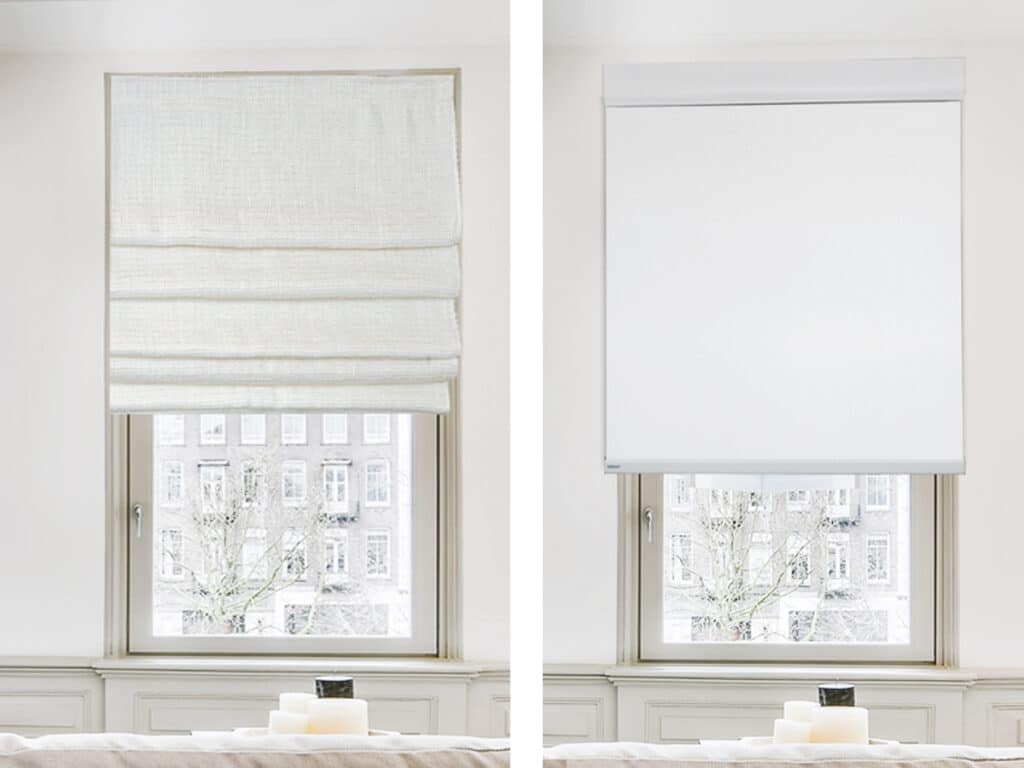
Roman shades offer a softer, more fabric-forward appearance, while roller shades create a cleaner and more minimal look. Roman shades are often chosen for living rooms and bedrooms where texture and warmth matter, while roller shades are popular in modern interiors that prioritize simplicity.
Consider Custom Details That Change the Final Look
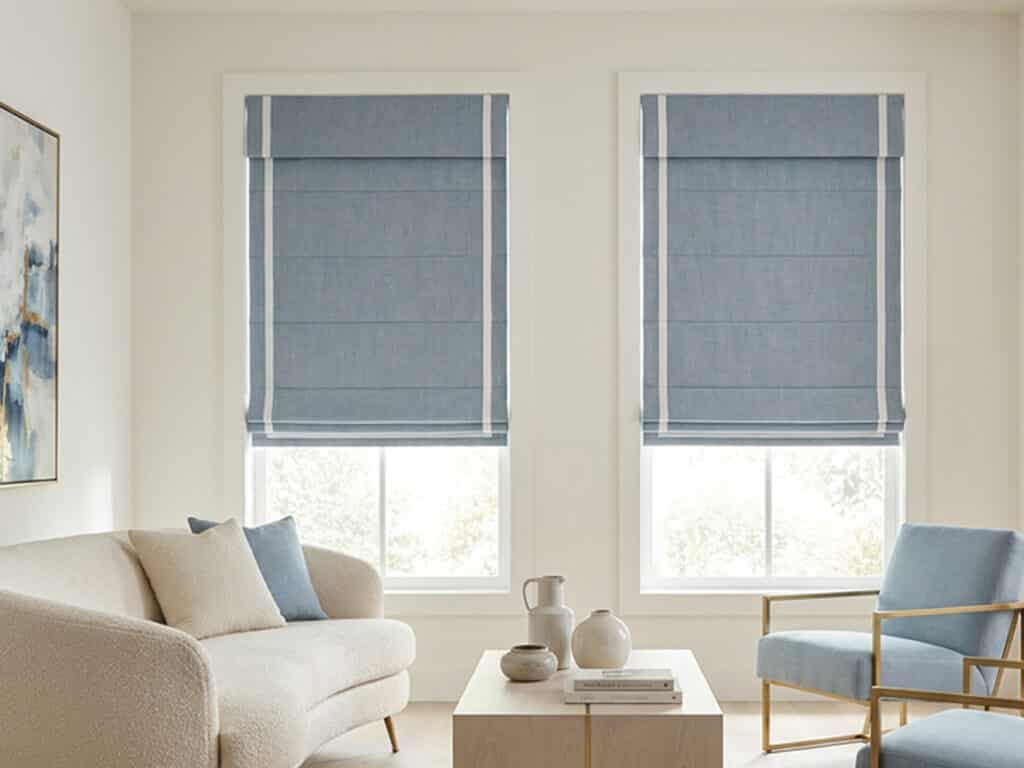 Finishing details can make Roman shades feel more tailored and custom. Valance choices affect how complete the top of the shade looks, while decorative banding can add contrast, structure, or a subtle designer detail.
If you are using Roman shades on multiple windows, keep the fabric, fold style, lining, and operation consistent so the room feels intentional.
Find the Perfect Roman Shades for Your Home
Roman shades are a versatile choice for homeowners who want a window treatment that feels soft, tailored, and thoughtfully designed. By considering fold style, fabric, lining, room use, operation, and finishing details, you can choose Roman shades that look beautiful and perform well in everyday life.
Discover Norman®’s full range of window treatments designed to bring comfort, style, and lasting performance to every room.
FAQs
Q: What style of Roman shade is best for a modern room?
A: Flat fold Roman shades are often a good choice for modern rooms because they create a casual and relaxed look. Their smooth appearance works well in spaces where you want the window treatment to feel simple yet refined.
Q: What is the difference between flat fold and soft fold Roman shades?
A: Flat fold Roman shades have a smoother, more streamlined appearance, while soft fold Roman shades create luxurious cascading folds that add more softness and dimension. Flat fold styles often feel more contemporary, while soft fold styles can feel more traditional.
Q: Should Roman shades have blackout lining?
A: Blackout lining is a good choice if you want stronger privacy and room-darkening performance. It is especially useful for bedrooms, nurseries, and media rooms. For spaces where you still want soft natural light, a translucent lining may be a better option.
Q: Are Roman shades a good choice for bedrooms?
A: Yes, Roman shades can be a beautiful choice for bedrooms because they add softness, fabric texture, and a more finished look. For better privacy and light control, consider choosing a blackout lining.
Q: What fabrics work best for Roman shades?
A: The best fabric depends on the look and function of the room. Lighter fabrics can feel airy and casual, while textured fabrics add warmth and depth. For a more formal space, choose a fabric that feels refined and structured. For a relaxed room, softer textures, such as linen blends, can help create a cozy appearance.
 ALL BLOGS